The Invisible Power of Threads: How Stitching Shapes the Future of Fashion
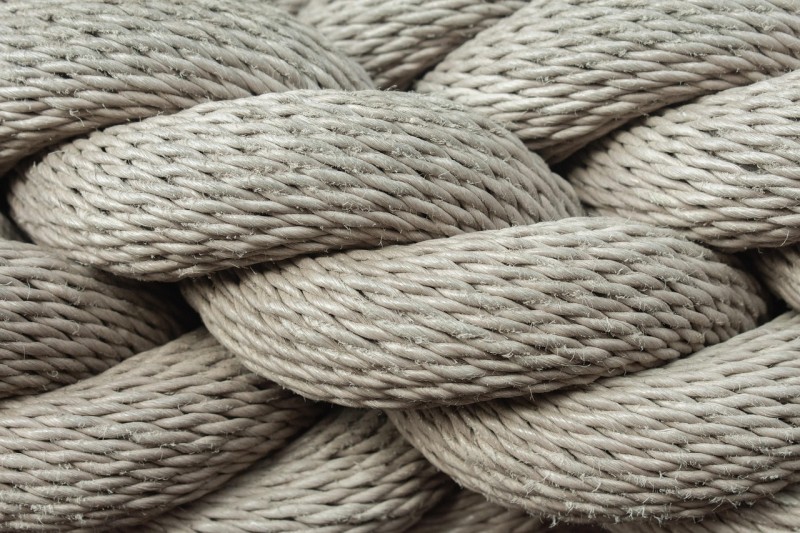
In its magnificent silhouettes, luxurious textiles, and gracious threads of sparkling rocks, fashion relates its ever-changing tapestries of trends, aesthetics, and society. However, below the eyes of these quoted elements, lies a commonly unnoticed push, a primordial language that enables the presence and future course of the industry: stitching. Stitching ranges from a necessity to simply connect pieces of fabric to something that is shaping how garments are constructed, durable, sustainable, and technologically integrated, and even indulgently expressive. It’s the invisible infrastructure of fashion, the complex web of threads binding together not just seams, but the very promise of a more inventive, responsible, and creatively expansive future for what we wear on our backs.
In order to gain that cultural understanding of how stitching has such a profound influence on so much more than just the fabric, we have to dig deeper than its very definition and start exploring its complexity at the intersection of the fashion ecosystem. The stitching is produced, ever changing from needing and threading through its historical development to cutting-edge technology in automated sewing as well as using smart textiles. A crucial element of the exponential swell towards a more sustainable and technological fashion landscape, cotton is the unsung hero of every durable garment and the silent partner in every design.
The Foundational Language: Understanding the Art and Science of Stitching
Stitching itself refers to fastening or joining pieces of material by means of a series of stitches made by a needle and thread. However simple this act seems, it involves the whole gamut of techniques, each with its own set of properties and uses. To truly understand the power of stitching in fashion, the fundamental language of stitching should be understood.
1. Historical Roots: Stitching is as old as human civilization. For survival's sake, early forms of stitching were done in the form of hand stitching, using bone needles, and natural fibers to protect themselves from the elements. During the Industrial Revolution, there was an invention of the sewing machine that expanded total garment production quality by making it possible to mass manufacture detailed garments at a level like never before. It became the foundation, part of the mechanization, upon which the complex, varied, and extensive techniques of stitching we now see have been laid.
2. The Basic Vocabulary: Stitch Types: The topic of stitches is endless, featuring different types of stitches purposefully used to build into the structure and aesthetics of a garment. These include:
- Straight Stitch: This is the most basic stitch used to join the pieces of the fabric and also for the topstitch. Although it is very simple, its importance in construction is fundamental.
- Zigzag Stitch: The zigzag stitch is crucial in that it is more elastic and stronger, and is used for finishing raw edges, sewing knit fabrics, and for decorative purposes.
- Overlock Stitch (Serger Stitch): This stitch is a specialized one because, as it sews, it trims and finishes fabric edges to prevent fraying and creates a professional and durable seam; this is especially important in fabric mass-produced result in garments.
- Blind Stitch: This stitch is essentially designed to be virtually invisible from the right side of the fabric and is a necessary stitch for hemming and creating clean and polished finishes.
- Buttonhole Stitch: A reinforced stitch specifically for making openings for buttons in the especially durable form.
- Decorative Stitches: A wide range of ornamental stitches used for embellishment, adding texture, and enhancing the visual appeal of garments.
3. Hand vs. Machine Stitching: Industrial sewing machines rule the mass production game, but hand stitching is still worthwhile because it is an essential skill in haute couture, bespoke tailoring, and when delicate embellishments must be made. The degree to which machines can’t recreate that control and that artistry is a level that you can get with hand stitching, such as making tiny little details or kind of unusual textures, and thinking of little nuances that you can do.
4. The Interplay of Thread and Fabric: The kind of thread that is used and its suitability to the fabric determine how effective and how long a stitch lasts. The technical choice of different fiber compositions (cotton, polyester corespun thread, silk, nylon), thicknesses, and strengths is based on a fabric weight, weave, and the use to which it will be put, clearly illustrating the technical issues involved even for the simplest seam.
Stitching as a Cornerstone of Sustainability: Weaving a Greener Future
In the age of fast fashion and environmental impact, to which the fashion industry has succeeded in leaving its imprint, the importance of stitching to promote sustainability is becoming vital. The stitch is truly what’s holding the garment together: whether it be to last 10 years, repairability, or circularity.
- Durability is one of the ways of achieving Sustainability: Good, strong stitching is the key to producing durable pieces of clothing. Properly finished edges, durable stitch types, and reinforced seams can add years to the life of clothing, saving from buying new clothes a lot and hence saving on waste textiles. The quality of stitching is telling; investing in them is investing in longevity and is the direct opposite of the disposability offered by fast fashion.
- The Art of Repair: Repair of clothing is a cornerstone of sustainable consumption – the ability to repair. Mending is much friendlier to robust, accessible stitching, and garments constructed in this way are far more amenable to mending. Patching holes, reinforcing weak seams, and reattaching buttons, these things rely solely on the principles of stitching. To encourage a "make and mend" culture, it is important to recognise and appreciate its essentially stitching-based mechanism for adding value to our wardrobes for longer.
- Sustainable Threads and Stitching Practices: Threads themselves are also evolving towards greater sustainability, using ever better materials. Recycled polyester thread, organic cotton threads, and innovative brand-new bio-based thread innovations are gaining traction. In addition, reducing the amount of thread waste and energy use in the manufacturing process also makes an industry less environmentally damaging.
- The Consumer's Role: With the rising awareness of the environmental repercussions of our fashion decisions, there is been demand to get high-quality and delicate clothing. If the construction and stitching of clothes is brought under this much scrutiny, brands would be more encouraged to focus more on quality rather than fleeting trends, contributing to a more sustainable fashion ecosystem.
The Technological Revolution: Stitching in the Age of Innovation
Automation, smart textiles, and new ways of manufacturing are transforming stitching, the seemingly traditional craft, into a more modern one.
- Automation and Robotics: Seam Construction in the Future: Advanced sewing machines incorporating robotic technologies and computer vision to the fore in garment manufacturing. Automated systems like these can do the stitching of a complex operation faster, better, and in a more consistent state than when we do it manually, which might be the key factor in becoming more efficient and pushing the production cost down.
- Smart Textiles: The specialized stitching functions into fabric enables the smart textiles (the textiles embedded with electronic components) to reap their benefits. Wearable technology, including items like health monitoring devices, interactive clothing, and heated apparel, incorporates conductive threads stitched intricately into the thread of a garment and is capable of transporting electrical signals.
- 3D Printing and Seamless Construction: Despite its infancy, 3D printing technology has the power to seriously transform the building of garments, eliminating or even eradicating the need for traditional stitching in a number of use cases. They can print seamless units that are entire garments or complex components, opening up new design avenues and a lower material waste.
- Data Analytics and AI: Data analytics and artificial intelligence are being leveraged to optimize the stitching processes in manufacturing. Through evaluating information on stitch quality, thread use, and machine efficiency, manufacturers can find ways to improve and waste less on waste while maintaining high-quality stitching.
The Future of Stitching: Trends and Predictions
Certainly, with the industrialization of the fashion industry, one can only imagine what the ultimate form of stitching as a practice will be like. Here are several key trends and predictions that paint an exciting picture of what elements will be at the front and center of a new segment of near-future technology.
- Durability and Longevity Get More Attention: Now that we are becoming increasingly more aware of sustainability, we can expect to see more stitching techniques that increase durability and the overall lifespan of garments. It will become more important for their seams to be reinforced, for thread types and construction methods to be more long-lasting rather than weaken.
- Seamless Integration of Smart Technologies: Conductive threads will combine with advanced stitching techniques to continue to push smart textile and wearable technology in new and more functional directions.
- Advancements in Sustainable Stitching Practices: Research and development in sustainable thread materials, biodegradable stitching, and the energy-efficient stitching process will be essential in order to reduce the impact on the environment produced by the manufacture of garments.
- Rise of Repairability and Circular Design: As the industry moves towards a circular economy, we will see stitching techniques that allow for easy repair and disassembly. Garments built to facilitate repair will use accessible, robust stitching.
- Personalized and On-Demand Stitching: As digital printing technology develops, and if the sewing process becomes automated, services that create personalized or on-demand stitched products will come to the fore, enabling people to customize garments with their own stitch pattern and embellishments.
Conclusion: The Unseen Threads That Weave the Future
Stitching can shape the future of fashion in profound and yet easy-to-underestimate ways. It is the silent architect of what we wear, the invisible force that drives durability, supports technological innovation, and makes room for everything behind the arts. The fashion industry is on the lookout for sustainability, technological advancement, and creative evolution, and stitching will continue to be a basic element, which will evolve and innovate to meet the challenges and opportunities in the future.
Understanding and embracing the thread world is another way to learn about the craft, innovation, and possibility of the very thread of commerce and the future of the clothes on our backs. Seemingly as simple as stringing fabric with thread, it reveals the path to clothes that last longer, are more intelligent, and more beautifully made, and sends a message that even the smallest of forces can yield the biggest.
Search Content
Top Ten Posts
Categories
Advertisement