Laparoscopy for Endometriosis: A Minimally Invasive Solution for a Painful Condition
Endometriosis is a chronic and often debilitating condition that affects millions of women worldwide. Characterized by the growth of endometrial-like tissue outside the uterus, it can cause severe pelvic pain, heavy periods, infertility, and fatigue. For many women, laparoscopy has become a game-changing approach for both diagnosing and treating endometriosis with precision and minimal recovery time.
In this blog, we will explore how laparoscopy for endometriosis works, who can benefit from it, and why it's considered the gold standard in managing this condition.
What is Endometriosis?
Endometriosis occurs when tissue similar to the lining of the uterus (endometrium) grows outside the uterus—on the ovaries, fallopian tubes, bladder, or even the intestines. Unlike normal endometrial tissue, which exits the body during menstruation, these growths have no way to leave the body, causing inflammation, pain, and scar tissue formation (adhesions).
Symptoms of endometriosis vary but commonly include:
- Chronic pelvic pain
- Painful periods (dysmenorrhea)
- Pain during intercourse
- Infertility
- Digestive issues such as bloating, diarrhea, or constipation
Despite its prevalence, endometriosis is often misdiagnosed or diagnosed late—making effective intervention crucial.
Why Choose Laparoscopy for Endometriosis?
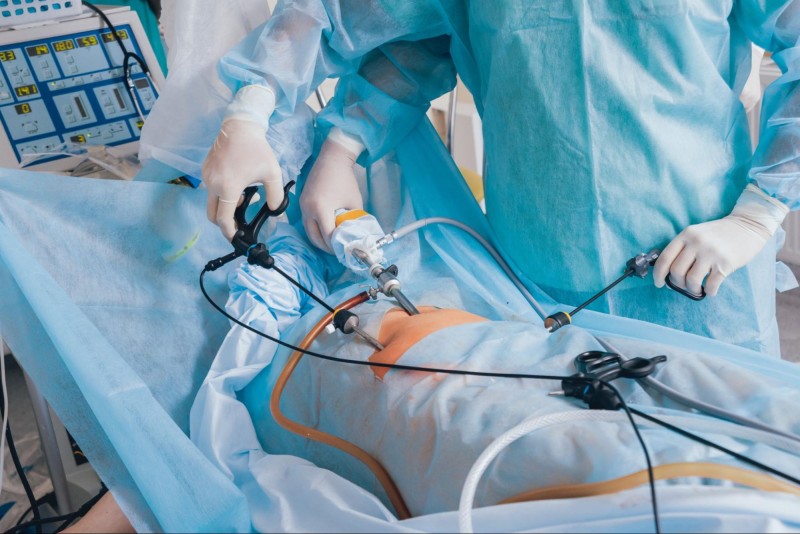
Laparoscopy is a minimally invasive surgical technique used to diagnose and treat various abdominal and pelvic conditions. In the context of endometriosis, it serves two purposes:
- Diagnosis – It is the only definitive way to diagnose endometriosis, especially when imaging tests like ultrasounds or MRIs fall short.
- Treatment – Surgeons can remove or destroy endometrial implants, cysts, and adhesions during the same procedure.
How the Procedure Works
During laparoscopy:
- The patient is placed under general anesthesia.
- A small incision is made near the navel.
- A thin, lighted instrument called a laparoscope is inserted to view the pelvic organs.
- Additional small incisions may be made to insert surgical instruments if treatment is needed.
The surgeon examines the pelvic organs for endometrial growths and may remove or cauterize them using specialized tools.
Benefits of Laparoscopy for Endometriosis
Laparoscopic surgery offers several advantages compared to traditional open surgery:
- Minimally Invasive: Small incisions mean less pain and scarring.
- Shorter Recovery Time: Most patients can return to normal activities within 1-2 weeks.
- Precise Diagnosis: Allows for direct visualization of endometrial lesions.
- Fertility Preservation: Can improve fertility by removing adhesions that may block reproductive organs.
- Reduced Risk of Complications: Lower risk of infection and bleeding.
Is Laparoscopy Right for You?
Not every case of endometriosis requires surgery. Laparoscopy is usually recommended when:
- Symptoms are severe and affect quality of life.
- Hormonal treatments and medications have failed.
- There is suspicion of ovarian cysts (endometriomas) or infertility.
- A clear diagnosis is needed to guide further treatment.
Always consult a gynecologist or endometriosis specialist to evaluate whether laparoscopy is the right step for your situation.
What to Expect After Surgery
Recovery from laparoscopy is typically quick. Patients may experience mild abdominal pain, bloating, or shoulder pain (from the gas used during the procedure). These usually subside within a few days. Your doctor will provide guidance on post-operative care, pain management, and when to resume regular activities.
Effectiveness and Long-Term Outlook
While laparoscopy can significantly reduce symptoms and improve fertility, it may not cure endometriosis permanently. The recurrence rate depends on factors such as the severity of the disease, age, and whether hormonal treatments are used after surgery.
A comprehensive approach that includes medical management, diet, lifestyle changes, and follow-up care offers the best long-term outcomes.
Conclusion
Laparoscopy for endometriosis is a powerful tool that offers hope and relief to women battling this painful condition. With proper diagnosis, expert surgical care, and ongoing support, many women experience improved quality of life and restored fertility.
If you or someone you know is struggling with symptoms of endometriosis, don’t ignore them. Early intervention can make a significant difference.
Also Read: Write For Us Natural Health Niche - Submit Blog For Top 7 Sites
Search Content
Top Ten Posts
Categories
Advertisement