Male and Female Infertility: Causes, Symptoms, and Treatment Options
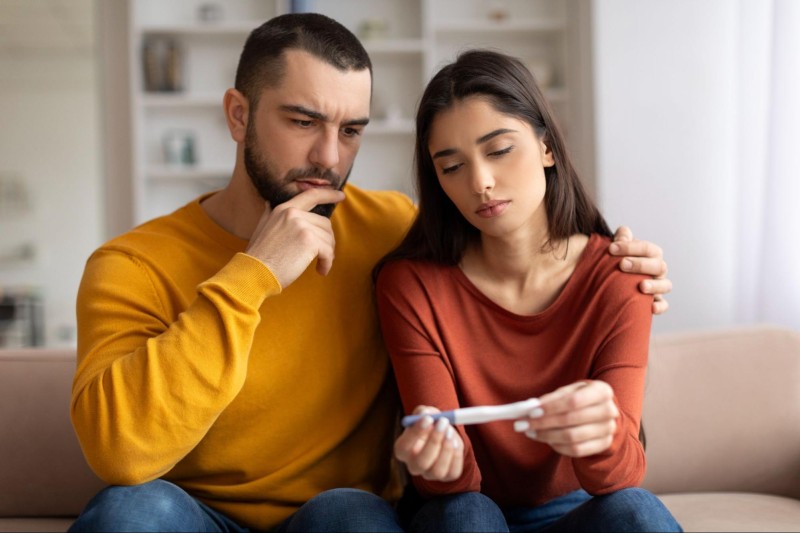
Infertility is a common health concern that affects millions of couples around the world. It is defined as the inability to conceive after one year of regular, unprotected intercourse. Both men and women can experience infertility due to various factors—some temporary and others more complex.
In this article, we’ll explore the causes, symptoms, diagnosis, and treatment options for both male and female infertility, and when to seek help from a fertility specialist.
What is Infertility?
Infertility refers to the inability to achieve pregnancy despite trying for at least a year. It can affect one or both partners. In general:
- About 30% of infertility cases are due to female factors
- Another 30% are due to male factors.
- The remaining 40% are a combination of both or unexplained causes.
Understanding the root cause is crucial for planning effective treatment.
Common Causes of Male Infertility
Male infertility often results from problems related to sperm production or delivery. Some common causes include:
1. Low Sperm Count
A low sperm count (oligospermia) or no sperm at all (azoospermia) can reduce the chances of fertilizing an egg.
2. Poor Sperm Motility or Shape
Even if sperm are present, they may be unable to swim properly (low motility) or have abnormal shapes (morphology), affecting fertilization.
3. Varicocele
This is a swelling of the veins in the scrotum that can impact sperm production and quality.
4. Hormonal Imbalances
Low levels of testosterone or other hormones can interfere with sperm production.
5. Lifestyle Factors
Smoking, alcohol, obesity, stress, tight clothing, and exposure to heat or toxins can negatively affect male fertility.
Common Causes of Female Infertility
Female infertility is often linked to problems with ovulation, fallopian tubes, or the uterus. Some common causes include:
1. Ovulation Disorders
Conditions like Polycystic Ovary Syndrome (PCOS) or thyroid imbalances can interfere with regular ovulation.
2. Blocked Fallopian Tubes
This can prevent the sperm from reaching the egg. It may result from pelvic infections, endometriosis, or previous surgeries.
3. Endometriosis
Endometriosis occurs when tissue similar to the uterine lining grows outside the uterus, potentially damaging reproductive organs.
4. Uterine Fibroids or Polyps
Non-cancerous growths in the uterus can interfere with implantation.
5. Age
A woman’s fertility naturally declines with age, especially after the age of 35.
Symptoms of Infertility
Often, infertility has no obvious symptoms besides the inability to conceive. However, there may be signs such as:
In Men:
- Problems with ejaculation
- Low sex drive
- Erectile dysfunction
- Pain or swelling in the testicles
In Women:
- Irregular or absent periods
- Pain during intercourse
- Unusual menstrual flow
- Signs of hormone imbalance (acne, facial hair growth, etc.)
Diagnosis of Infertility
If you’ve been trying to conceive for a year without success (or 6 months if the woman is over 35), it’s time to consult a fertility specialist.
Diagnostic Tests for Men:
- Semen analysis
- Hormone tests
- Scrotal ultrasound
- Genetic testing (if needed)
Diagnostic Tests for Women:
- Blood tests to check hormone levels
- Pelvic ultrasound
- Hysterosalpingography (HSG) to check fallopian tubes
- Laparoscopy in some cases
Treatment Options for Male and Female Infertility
Thanks to advancements in reproductive medicine, many couples can overcome infertility with appropriate treatment. Some common options include:
For Male Infertility:
- Lifestyle changes (quit smoking, healthy weight, less stress)
- Hormone therapy
- Surgery (for varicocele or blockages)
- Assisted reproductive technologies like IUI or IVF using partner or donor sperm
For Female Infertility:
- Ovulation induction using medications like Clomiphene or Letrozole
- Surgery to remove fibroids, cysts, or treat endometriosis
- Intrauterine Insemination (IUI)
- In-Vitro Fertilization (IVF)
When to Seek Help
- If you're under 35 and haven't conceived after 1 year of trying
- If you're over 35 and haven’t conceived after 6 months
- If you have known reproductive issues or irregular periods
- If the male partner has a history of testicular or hormonal problems
Emotional Impact of Infertility
Infertility can be emotionally challenging for couples. It often leads to anxiety, stress, and relationship strain. It’s essential to talk to a counsellor, join a support group, or work with a compassionate fertility team to navigate this journey with resilience and hope.
Conclusion
Infertility can feel overwhelming, but you're not alone. Today, with the help of advanced diagnostics and effective treatment options, many couples go on to have healthy pregnancies. Early consultation, accurate diagnosis, and personalized care can make all the difference.
If you or your partner are facing fertility challenges, consult a trusted fertility centre to explore your options.
Search Content
Top Ten Posts
Categories
Advertisement