Normal Delivery vs C-Section: Making an Informed Choice for Childbirth
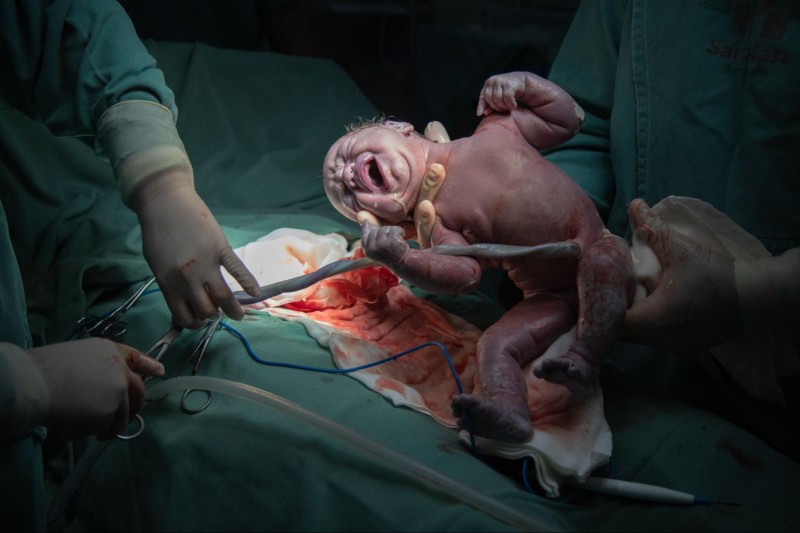
Childbirth is a deeply personal experience, and the mode of delivery—normal delivery (vaginal birth) or C-section (Cesarean delivery)—plays a significant role in shaping that experience. As medical advancements continue to evolve, expectant mothers today have more information and options available than ever before. However, with more choices also comes the responsibility of making informed decisions based on health, safety, and personal preferences.
In this blog, we’ll explore the differences between normal delivery and C-section, the benefits and risks of each, and how you can make the best choice for you and your baby.
What is Normal Delivery?
Normal delivery, also known as vaginal birth, is the natural method of delivering a baby through the birth canal. It usually occurs between the 37th and 42nd week of pregnancy and may or may not require medical interventions such as epidurals or assisted devices (forceps or vacuum).
Benefits of Normal Delivery:
- Shorter Recovery Time: Women who deliver vaginally often recover faster and are able to resume daily activities sooner.
- Lower Risk of Respiratory Issues for the Baby: Babies born vaginally may have fewer breathing problems since fluid is squeezed out of their lungs during the process.
- Lower Infection Risk: Vaginal delivery typically has fewer surgical risks compared to a C-section.
- Beneficial for Future Pregnancies: A vaginal birth may reduce complications in subsequent deliveries.
Risks and Challenges:
- Pain and Discomfort: Labor pains can be intense and prolonged.
- Possibility of Tearing: Some women may experience perineal tears that require stitches.
- Unpredictability: Labor duration and progression can be uncertain, sometimes leading to emergency C-sections.
What is a C-Section?
A C-section (Cesarean delivery) is a surgical procedure where the baby is delivered through an incision in the mother’s abdomen and uterus. It can be planned (elective) or performed in emergencies when vaginal delivery is risky for the mother or baby.
Benefits of C-Section:
- Planned Timing: Elective C-sections allow parents to choose a delivery date in advance.
- Avoidance of Labor Pain: Mothers do not experience labor or pushing.
- Safer in Certain Conditions: Necessary in cases like placenta previa, breech presentation, fetal distress, or health complications.
Risks and Challenges:
- Longer Recovery Time: Recovery from a C-section takes longer than from a normal delivery.
- Increased Risk of Infection: As with any surgery, there's a risk of infections or blood clots.
- Possible Breathing Problems for the Baby: Babies born via C-section may have an increased risk of transient tachypnea.
- Impacts Future Deliveries: Women with previous C-sections may face limitations in opting for vaginal birth later.
Factors That Influence the Choice
Choosing between normal delivery and C-section isn't always straightforward. The decision depends on several factors including:
- Mother’s health condition
- Baby’s position and size
- Complications during pregnancy
- Past delivery history
- Hospital policies and doctor’s recommendations
In some cases, a woman may plan for a vaginal delivery but require an emergency C-section if complications arise during labor.
Empowering Women with Knowledge
Whether you choose a normal delivery or a C-section, the most important thing is the safety and well-being of both mother and baby. Having open discussions with your healthcare provider, understanding your body, and being aware of your options can empower you to make a confident decision.
It’s also important to prepare for both scenarios, especially if you’re planning a vaginal birth. Birth plans are valuable, but flexibility is key in the unpredictable journey of childbirth.
Conclusion
There is no one-size-fits-all answer when it comes to childbirth. Both normal delivery and C-section have their own sets of advantages and challenges. The ideal choice varies depending on individual circumstances and medical recommendations.
The goal should always be a safe delivery and a healthy mother and baby—regardless of the method. Consult with experienced obstetricians, discuss your concerns, and trust the process. With the right care, you can feel confident and supported in your birth experience.
Also Read: Write For Us Natural Health Niche - Submit Blog For Top 7 Sites
Search Content
Top Ten Posts
Categories
Advertisement