Fertility and Laparoscopy: A Minimally Invasive Path to Parenthood
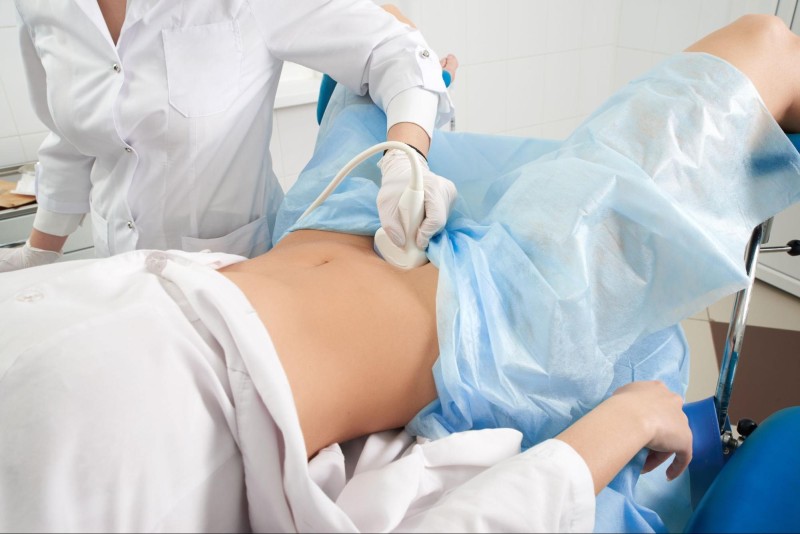
When it comes to diagnosing and treating fertility issues, laparoscopy has emerged as one of the most effective and minimally invasive tools available to gynaecologists and fertility specialists. This advanced surgical technique not only helps doctors understand the root causes of infertility but also offers therapeutic solutions with minimal pain, scarring, and recovery time.
In this article, we’ll explore the connection between fertility and laparoscopy, the conditions it can address, the benefits it offers, and when it’s recommended for couples trying to conceive.
What is Laparoscopy?
Laparoscopy, also known as keyhole surgery, is a minimally invasive procedure used to examine the organs inside the abdomen or pelvis. It involves making a small incision near the navel and inserting a thin tube with a camera (laparoscope) to visualise internal structures on a screen. Surgeons can use additional small tools through tiny incisions to perform procedures simultaneously.
How Does Laparoscopy Help in Fertility?
Laparoscopy plays a vital role in identifying and treating conditions that may interfere with a woman's ability to conceive. In many cases, these issues cannot be detected through external imaging tests like ultrasounds or CT scans. Here's how laparoscopy supports fertility:
1. Diagnosis of Infertility Causes
Laparoscopy allows fertility specialists to directly view reproductive organs such as the uterus, fallopian tubes, and ovaries. It helps diagnose conditions like:
- Endometriosis
- Pelvic adhesions (scar tissue)
- Blocked fallopian tubes
- Ovarian cysts
- Uterine fibroids
2. Treatment During the Same Procedure
Unlike diagnostic methods that only observe, laparoscopy also offers the ability to treat issues right away. Surgeons can remove cysts, adhesions, or fibroids, and repair or open blocked fallopian tubes—all in one sitting.
3. Improved IVF Outcomes
In some cases, laparoscopy is used before assisted reproductive technologies like IVF (In Vitro Fertilisation) to improve success rates. For example, removing endometriosis lesions or hydrosalpinges (fluid-filled tubes) before IVF can enhance the chances of embryo implantation.
Common Fertility Conditions Treated by Laparoscopy
Endometriosis
One of the leading causes of infertility in women, endometriosis occurs when tissue similar to the uterine lining grows outside the uterus. Laparoscopy can detect and remove these growths, reducing pain and increasing fertility potential.
Tubal Blockage
Blocked or damaged fallopian tubes prevent the egg from meeting the sperm. Laparoscopy allows for precise identification and correction, such as clearing the blockage or removing the damaged part.
Ovarian Cysts and Polycystic Ovary Syndrome (PCOS)
Laparoscopic ovarian drilling is a treatment for PCOS, which helps in restoring ovulation. Simple cysts can also be removed through laparoscopy to preserve healthy ovarian function.
Fibroids
Subserosal or submucosal fibroids can interfere with implantation. Through laparoscopy, fibroids can be safely removed without damaging the uterus.
Pelvic Adhesions
Scar tissues from previous infections, surgeries, or endometriosis can distort pelvic anatomy. Laparoscopic adhesiolysis helps restore normal organ positioning and function.
Benefits of Laparoscopy in Fertility Treatment
- Minimally invasive – Smaller cuts mean less pain and quicker healing.
- Accurate diagnosis – Provides a clear, real-time view of reproductive organs.
- Therapeutic – Treats the issue during diagnosis itself.
- Shorter hospital stay – Often a day-care procedure.
- Lower infection risk – Compared to traditional open surgery.
When is Laparoscopy Recommended?
Doctors may recommend laparoscopy for fertility when:
- A woman has been trying to conceive for over a year with no success.
- Imaging tests suggest abnormalities like cysts or fibroids.
- There are symptoms of endometriosis (pelvic pain, painful periods).
- IVF has failed repeatedly without an explained reason.
- There’s suspicion of tubal or pelvic abnormalities.
Risks and Considerations
While laparoscopy is generally safe, like any surgery, it carries some risks such as infection, bleeding, or injury to internal organs. These risks are rare, especially when performed by an experienced gynaecologist or laparoscopic surgeon.
Conclusion
Laparoscopy has transformed fertility care by offering a safe, effective, and less invasive way to both diagnose and treat reproductive issues. For many women, it has opened the doors to natural conception or increased the success rate of assisted reproductive techniques. If you’ve been facing unexplained infertility or struggling to conceive despite treatment, speak with a fertility specialist to see if laparoscopy might be the right next step for you.
Also Read: Write For Us Natural Health Niche - Submit Blog For Top 7 Sites
Search Content
Top Ten Posts
Categories
Advertisement